Introduction
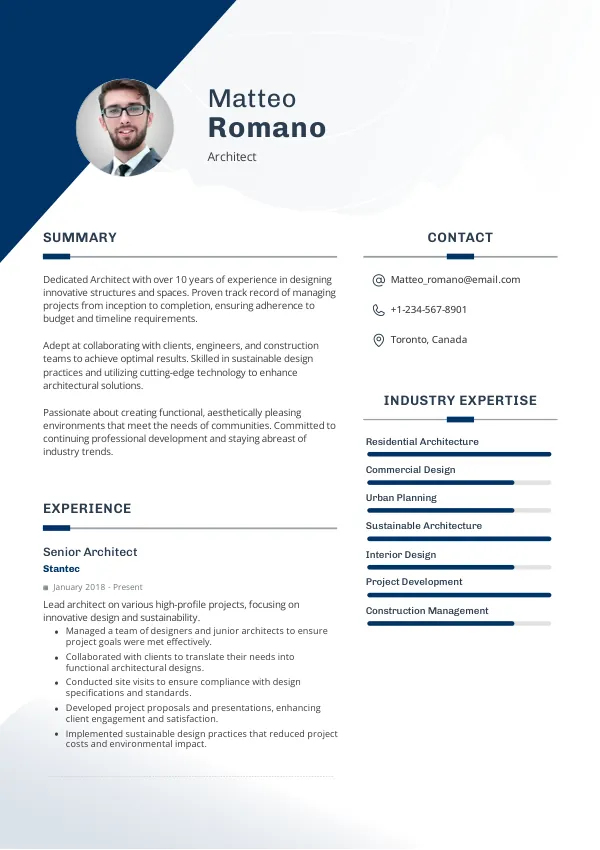
As an architect in Canada, your resume is your first impression to potential employers. Even minor mistakes can greatly reduce your chances of landing an interview. Understanding common pitfalls can help you present your skills and experience more effectively. Consider reviewing your resume with mistakes.cv to identify any hidden errors that might be holding you back.
How Recruiters Evaluate Architect Resumes
Recruiters in Canada look for resumes that clearly demonstrate relevant experience, technical skills, and educational qualifications. They often use Applicant Tracking Systems (ATS) to filter candidates before they even see the resume. Many candidates are eliminated due to issues they may overlook. An external review can help identify these problems before submission.
Understanding what recruiters prioritize can help you tailor your resume accordingly. Make sure to highlight key achievements and relevant experience that align with the job description.
Ensure your resume is polished and professional to stand out.
Get StartedCommon Resume Mistakes for Architects
Mistake #1 – Poor Formatting
Why this hurts
Inconsistent formatting can confuse recruiters and ATS systems. A cluttered layout makes it hard for hiring managers to find key information quickly.
Example
- Bad: Random font sizes and styles throughout the resume.
- Better: Consistent use of headings, fonts, and bullet points for clarity.
How to fix
- Use a clean, professional layout with consistent fonts and sizes.
- Ensure clear section headings and bullet points to guide the reader.
Mistake #2 – Lack of Keywords
Why this hurts
ATS software scans resumes for specific keywords related to the job. Omitting relevant terms can lead to automatic rejection.
Example
- Bad: Describing skills in generic terms without industry-specific keywords.
- Better: Incorporating terms like “AutoCAD,” “project management,” and “sustainable design.”
How to fix
- Analyze the job description and include relevant keywords naturally in your resume.
- Focus on industry-specific terminology that reflects your skills and experience.
Mistake #3 – Weak Experience Descriptions
Why this hurts
Vague descriptions fail to convey your impact and achievements in previous roles. This can make you seem less qualified.
Example
- Bad: “Worked on various projects.”
- Better: “Led the design of a 200-unit residential complex, improving space efficiency by 30%.”
How to fix
- Quantify your achievements with specific results and impacts.
- Be detailed about your responsibilities and the skills you utilized.
Mistake #4 – Ignoring Professional Development
Why this hurts
Failing to highlight ongoing education or certifications can suggest a lack of commitment to your field.
Example
- Bad: Listing only your degree without additional certifications.
- Better: Including certifications like LEED or PMP along with relevant training.
How to fix
- List all relevant certifications and professional development courses.
- Show your commitment to continuous learning in your field.
Mistake #5 – Generic Objective Statements
Why this hurts
Generic objectives do not provide insight into your specific goals or what you bring to the table.
Example
- Bad: “Seeking a challenging position.”
- Better: “Aspiring to leverage my architectural design skills to create innovative residential spaces that enhance community living.”
How to fix
- Craft a tailored objective that reflects your career goals and the value you can offer.
- Align your statement with the needs of the employer.
Mistake #6 – Lengthy Resumes
Why this hurts
Resumes that exceed two pages can overwhelm recruiters, leading them to miss key information.
Example
- Bad: A three-page resume with excessive detail.
- Better: A concise two-page resume that highlights relevant experience.
How to fix
- Limit your resume to two pages, focusing on relevant experience.
- Remove outdated or less relevant information.
Mistake #7 – Lack of Customization
Why this hurts
A one-size-fits-all resume often fails to address the specific requirements of each job.
Example
- Bad: Using the same resume for multiple applications.
- Better: Tailoring your resume to match the job description and company culture.
How to fix
- Customize your resume for each application, reflecting the specific role and organization.
- Highlight the most relevant skills and experiences.
Mistake #8 – Missing Contact Information
Why this hurts
Without clear contact information, recruiters cannot reach you for interviews.
Example
- Bad: Omitting phone number or email.
- Better: Providing a complete contact section with your name, phone number, and email.
How to fix
- Ensure your contact information is easy to find and includes all necessary details.
- Consider adding a LinkedIn profile link if it showcases your work.

Common ATS Issues for Architects
ATS systems can misinterpret resumes due to formatting issues and keyword omissions. For example, using unusual fonts or graphics can cause sections to be parsed incorrectly. This leads to important qualifications being overlooked. Many candidates are unaware of these problems until they receive feedback.
To avoid ATS-related errors, consider running your resume through an ATS checker or seeking an expert review. mistakes.cv can help identify and rectify these issues before you apply.
Mistakes Based on Experience Level
Entry-Level
Entry-level architects may struggle with showcasing relevant experience. They often rely heavily on educational background and internships. It's crucial to highlight projects completed during studies and any practical experience, even if minimal.
Mid-Level
Mid-level professionals should focus on demonstrating leadership and project management skills. They may overlook quantifying their contributions to projects. Highlighting specific roles in successful projects can significantly enhance their resume.
Senior / Lead
Senior architects should emphasize strategic thinking and leadership qualities. Common mistakes include failing to showcase mentorship roles or major project impacts. Including these aspects can clearly signal seniority and expertise to recruiters.
Identify and fix hidden mistakes with expert help.
Review NowQuick Checklist for Your Architect Resume
- Ensure consistent formatting throughout your resume.
- Incorporate relevant industry keywords.
- Quantify achievements with specific metrics.
- Highlight certifications and continuing education.
- Craft a tailored objective statement.
- Limit your resume to two pages.
- Customize for each job application.
- Include clear contact information.
- Remove irrelevant work experience.
- Check for spelling and grammatical errors.
FAQs About Architect Resumes in Canada
What is the ideal length for an architect resume?
Keep your resume to two pages to ensure clarity and conciseness.
How important are keywords in my resume?
Keywords are crucial for passing ATS filters and getting noticed by recruiters.
Should I include soft skills in my resume?
Yes, soft skills like teamwork and communication are valuable for architects and should be highlighted.
How often should I update my resume?
Regularly update your resume to reflect new skills, experiences, and certifications as you progress in your career.
Can mistakes.cv help with my resume?
Absolutely! mistakes.cv can provide a professional review to catch hidden errors and improve your chances of landing interviews.
Take Action to Improve Your Resume
Don't let small mistakes ruin your chances of landing an architect position in Canada. Take the time to review your resume for common pitfalls and ensure it reflects your best self.
Consider using mistakes.cv for a professional review that can help you identify and correct errors, enhancing your chances of success in the competitive job market.

 UAE
UAE Qatar
Qatar Saudi Arabia
 South Africa
 Brazil
 USA
USA Canada
 Australia
 United Kingdom
 New Zealand
 Singapore
 Germany
 France
 Spain
Spain Greece
 Italy
Italy India
India Philippines
 Malaysia
 Indonesia
 South Korea
 Japan
Japan