Introduction
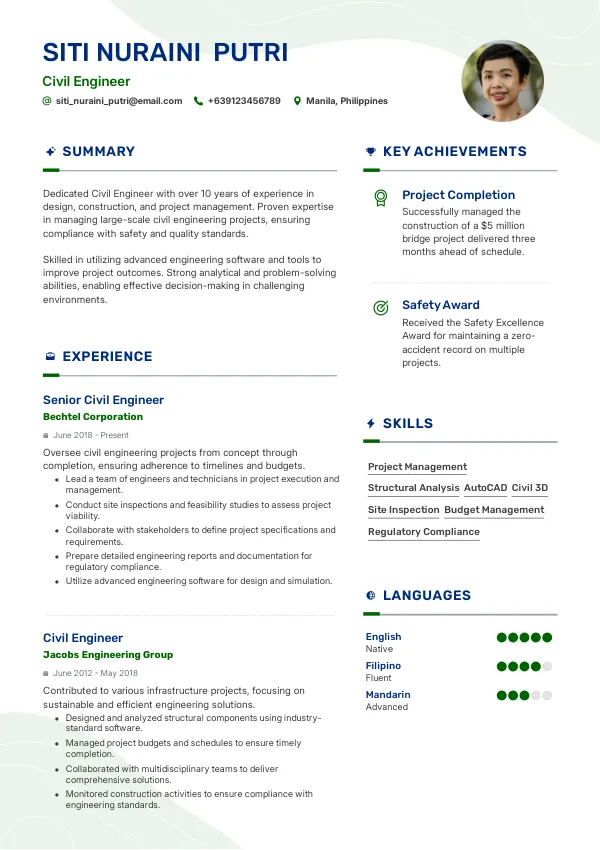
As a Civil Engineer in the Philippines, your resume is your first impression. Many qualified candidates are overlooked due to simple resume mistakes that can easily be rectified. Understanding these common pitfalls can significantly improve your chances of securing an interview. Consider checking your resume with mistakes.cv to identify hidden errors and enhance your application.
How Recruiters Evaluate Resumes
Recruiters in the Philippines typically look for clarity, relevance, and professionalism in a Civil Engineer's resume. They use ATS to filter candidates, which means that common errors can lead to automatic disqualification. Many candidates are unaware of these issues, and a thorough review can highlight mistakes they might miss.
Using mistakes.cv can provide you with a fresh perspective on your resume, helping you avoid unnoticed errors that could cost you interviews.
Enhance your chances of landing an interview with a polished resume.
Get StartedCommon Resume Mistakes
Mistake #1 – Poor Formatting
Why this hurts
A cluttered or inconsistent format can confuse recruiters and ATS systems. It detracts from the content and makes it hard to read.
Example
- Bad: Using multiple font styles and sizes.
- Better: Consistent use of one or two font types with clear headings.
How to fix
- Choose a professional font and stick to it throughout your resume.
- Use clear section headings and bullet points for easy navigation.
Mistake #2 – Generic Objective Statements
Why this hurts
Generic objectives don’t speak to the specific role. Recruiters prefer targeted statements that demonstrate your intent and fit.
Example
- Bad: “Seeking a challenging position in a reputable company.”
- Better: “Aspiring Civil Engineer eager to contribute to sustainable infrastructure projects.”
How to fix
- Craft a specific objective tailored to the job you are applying for, showcasing your skills and goals.
Mistake #3 – Lack of Relevant Keywords
Why this hurts
Failing to include industry-specific keywords can lead to rejection by ATS systems that scan for relevant terms.
Example
- Bad: “Experienced in various projects.”
- Better: “Experienced in structural analysis, project management, and CAD software.”
How to fix
- Review job descriptions and integrate relevant keywords into your resume.
Mistake #4 – Unclear Job Descriptions
Why this hurts
Vague descriptions of past roles can lead to confusion about your skills and experience.
Example
- Bad: “Worked on construction projects.”
- Better: “Managed the design and execution of a 5-story commercial building, ensuring compliance with safety standards.”
How to fix
- Use specific language that highlights your responsibilities and achievements in each role.
Mistake #5 – Ignoring Soft Skills
Why this hurts
While technical skills are crucial, recruiters also value soft skills like teamwork and communication.
Example
- Bad: “I am a good team player.”
- Better: “Collaborated with a multidisciplinary team to deliver projects on time and within budget.”
How to fix
- Incorporate soft skills into your experience descriptions to demonstrate your well-rounded capabilities.
Mistake #6 – Spelling and Grammar Errors
Why this hurts
Errors in spelling and grammar suggest a lack of attention to detail, which is crucial in engineering roles.
Example
- Bad: “Managed site operations with minimal supervison.”
- Better: “Managed site operations with minimal supervision.”
How to fix
- Proofread your resume multiple times and consider using tools or services like mistakes.cv for a thorough review.
Mistake #7 – Listing Irrelevant Experience
Why this hurts
Including unrelated job experiences can dilute your relevant skills and confuse recruiters.
Example
- Bad: “Worked as a cashier before engineering.”
- Better: “Interned as an engineering assistant, assisting with project documentation.”
How to fix
- Focus on experiences that showcase your engineering skills and relevance to the role you seek.
Mistake #8 – Not Tailoring Each Resume
Why this hurts
Using a one-size-fits-all resume shows a lack of effort and interest in the specific position.
Example
- Bad: Sending the same resume for every application.
- Better: Customizing each resume to highlight the skills and experiences most relevant to the job.
How to fix
- Adjust your resume for each job application, emphasizing your most relevant qualifications.
ATS-Specific Issues
ATS systems can misinterpret resumes due to formatting issues or incorrect file types. For instance, using images or unusual fonts can lead to parsing errors. Many candidates do not realize that ATS can filter them out even before a human recruiter sees their application.
To ensure your resume is ATS-friendly, consider using mistakes.cv for an automated review that identifies potential pitfalls.
Mistakes by Experience Level
Entry-Level
Entry-level candidates often struggle with the lack of experience in their resumes. They might list irrelevant part-time jobs instead of highlighting internships or academic projects relevant to engineering.
Mid-Level
Mid-level engineers should focus on demonstrating leadership and project management skills. Common mistakes include vague descriptions of roles and neglecting to highlight technical advancements made during projects.
Senior / Lead
Senior engineers must signal their leadership capabilities and strategic thinking. Mistakes often include failing to showcase impactful projects or not quantifying achievements, such as budget management or team size.
Identify overlooked errors that could be costing you opportunities.
Check NowQuick Checklist Before Applying
- Ensure consistent formatting throughout your resume.
- Customize your objective statement for each application.
- Include relevant keywords that match the job description.
- Clearly describe your responsibilities and achievements.
- Incorporate both technical and soft skills.
- Proofread for spelling and grammar errors.
- Avoid irrelevant job experiences.
- Tailor your resume for each specific job role.
- Review your resume with a trusted source or service.
- Check ATS compatibility of your file format.
Frequently Asked Questions
What should I include in my Civil Engineer resume?
Focus on relevant education, skills, certifications, and specific project experiences.
How long should my resume be?
For most engineers in the Philippines, one to two pages is ideal, depending on experience.
Is it necessary to include a photo in my resume?
Including a photo is not common in engineering resumes in the Philippines; focus on content instead.
How can I highlight my engineering skills?
Clearly list technical skills and provide examples of how you've applied them in your past roles.
What if I have gaps in my work history?
Address gaps briefly and focus on what you were doing during that time, such as studying or volunteering.
Take Action Now!
Your resume is your first step toward your next Civil Engineering opportunity. Don’t let minor mistakes hold you back from getting interviews.
Review your resume using mistakes.cv today to ensure it’s polished and professional. Start your journey towards a successful application now!

 UAE
UAE Qatar
Qatar Saudi Arabia
 South Africa
 Brazil
 USA
USA Canada
 Australia
 United Kingdom
 New Zealand
 Singapore
 Germany
 France
 Spain
Spain Greece
 Italy
Italy India
India Philippines
 Malaysia
 Indonesia
 South Korea
 Japan
Japan