Introduction
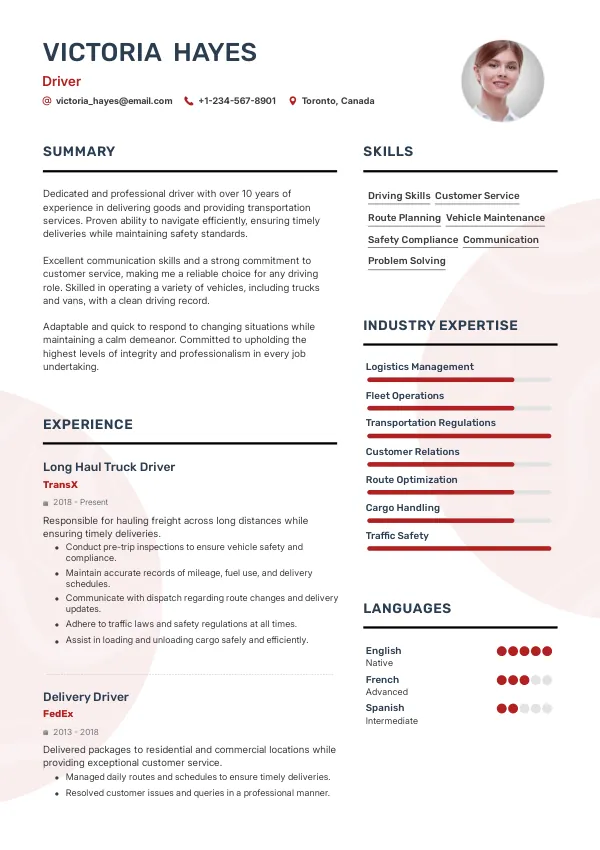
As a driver in Canada, your resume is your first impression with potential employers. Common resume mistakes can significantly hinder your chances of securing an interview. It's crucial to avoid these errors, as they often lead to immediate rejections by recruiters. To increase your odds of success, consider reviewing your resume with a service like mistakes.cv to catch any hidden flaws before applying.
How Recruiters Evaluate Driver Resumes
Canadian recruiters and ATS systems scan resumes for specific keywords and relevant experiences. Many candidates lose opportunities due to overlooked formatting issues or irrelevant content. Often, applicants are unaware of these pitfalls without a professional review of their resumes or CVs. By understanding how your resume is assessed, you can enhance its effectiveness and appeal.
Avoid common errors that could cost you interviews.
Review NowCommon Resume Mistakes for Drivers
Mistake #1 – Lack of Relevant Keywords
Why this hurts
Recruiters use ATS to filter resumes based on keywords. If your resume lacks terms relevant to the driver position, it may never be seen by a human.
Example
- Bad: "I have experience driving vehicles."
- Better: "Certified Class 1 driver with over 5 years of experience operating commercial vehicles, including long-haul trucking and local deliveries."
How to fix
- Research job postings and identify key phrases and skills commonly required for drivers in Canada. Integrate these into your resume.
Mistake #2 – Poor Formatting
Why this hurts
A cluttered or inconsistent format makes it challenging for ATS and recruiters to scan your resume quickly. This can lead to misinterpretation of your qualifications.
Example
- Bad: Unorganized sections and inconsistent font sizes.
- Better: Clear section headings, uniform fonts, and bullet points for easy readability.
How to fix
- Use a clean, professional layout with consistent formatting. Stick to a simple font and structure for clarity.
Mistake #3 – Not Highlighting Relevant Experience
Why this hurts
Failing to emphasize relevant driving experience can lead recruiters to overlook your qualifications. It is essential to frame your experience effectively.
Example
- Bad: Listing all jobs without focusing on driving roles.
- Better: Highlighting specific driving achievements and responsibilities in previous positions.
How to fix
- Prioritize driving-related roles and achievements. Use bullet points to detail your responsibilities and successes.
Mistake #4 – Omitting Certifications
Why this hurts
Many driving positions require specific certifications, such as a Class 1 or Class 3 license. Omitting these can lead to instant disqualification.
Example
- Bad: Not mentioning your driver’s license.
- Better: Clearly stating your license type and any additional certifications, like first aid or defensive driving.
How to fix
- List your certifications prominently in your resume, ideally in a dedicated section.
Mistake #5 – Using Generic Objective Statements
Why this hurts
Generic objectives do not showcase your specific intentions or qualifications, making your resume blend in with others.
Example
- Bad: “Looking for a driving job.”
- Better: “Dedicated and safety-focused driver seeking a position with XYZ Logistics to leverage extensive experience in long-haul transportation.”
How to fix
- Craft a tailored objective that aligns with the job you are applying for and reflects your unique qualifications.
Mistake #6 – Ignoring Soft Skills
Why this hurts
While technical skills are essential, soft skills like communication and problem-solving are equally important for drivers.
Example
- Bad: Focusing solely on driving skills.
- Better: Including teamwork, customer service, and conflict resolution skills relevant to driving.
How to fix
- Incorporate soft skills into your experience descriptions to demonstrate your well-rounded capabilities.
Mistake #7 – Inconsistent Employment Dates
Why this hurts
Inconsistent or unclear employment dates can raise red flags for recruiters. They may question your reliability or commitment.
Example
- Bad: “2003 - Present” without specifying months.
- Better: “March 2018 - Present.”
How to fix
- Ensure all employment dates are clear and consistent throughout your resume.
Mistake #8 – Lack of Professional References
Why this hurts
Not providing references can make recruiters hesitant to consider you. References add credibility to your application.
Example
- Bad: "References available upon request."
- Better: Listing 2-3 relevant references with contact information at the end of your resume.
How to fix
- Include professional references who can vouch for your driving skills and work ethic on your resume.
ATS-Specific Resume Issues
ATS systems often struggle with complex formatting and certain file types, which can lead to your resume being misread or overlooked. Common mistakes include using images or tables, which ATS cannot interpret correctly. Furthermore, if your resume is not saved in a compatible format, such as .docx or .pdf, it may not be processed at all. Identifying these ATS-related issues can be challenging without an expert review from a service like mistakes.cv.
Mistakes by Experience Level
Entry-Level
Entry-level drivers often struggle with demonstrating relevant experience. Highlight any internships or training that can showcase your readiness for the role. Avoid generic descriptions and instead focus on skills learned during training.
Mid-Level
Mid-level applicants need to emphasize their driving achievements and certifications. Consider including metrics that illustrate your performance, such as successful deliveries or safety records.
Senior/Lead
Senior drivers should highlight leadership roles and mentorship experiences. Focus on how you have contributed to team success and safety standards in previous positions.
Ensure your resume meets ATS standards.
Check ATSQuick Checklist Before Applying
- Use relevant keywords specific to the driver position.
- Ensure consistent formatting throughout your resume.
- Highlight your relevant driving experience clearly.
- List all necessary certifications prominently.
- Create a tailored objective statement.
- Include essential soft skills alongside technical skills.
- Provide clear and consistent employment dates.
- Include professional references with contact details.
- Save your resume in a compatible file format.
- Consider a professional review to catch hidden mistakes.
FAQs for Driver Resumes in Canada
What should I include in my driver resume?
Include relevant driving experience, certifications, skills, and clear contact information.
How long should my resume be?
Your resume should ideally be one page, especially if you have less than 10 years of experience.
Do I need to tailor my resume for each job application?
Yes, tailoring your resume to include specific keywords from the job posting increases your chances of passing ATS screenings.
Can I use a template for my driver resume?
Yes, but ensure the template is ATS-friendly, avoiding images or complex formatting.
How can a review help my resume?
A professional review can identify issues you might not notice, improving your chances of landing interviews.
Take the Next Step for Your Driver Career
Reviewing your resume is essential to avoid common mistakes that can cost you interviews. Use mistakes.cv to check for hidden errors and optimize your application. Taking this proactive step can significantly enhance your chances of securing that driving position you desire.
Don’t wait—improve your resume today with a professional review!

 UAE
UAE Qatar
Qatar Saudi Arabia
 South Africa
 Brazil
 USA
USA Canada
 Australia
 United Kingdom
 New Zealand
 Singapore
 Germany
 France
 Spain
Spain Greece
 Italy
Italy India
India Philippines
 Malaysia
 Indonesia
 South Korea
 Japan
Japan