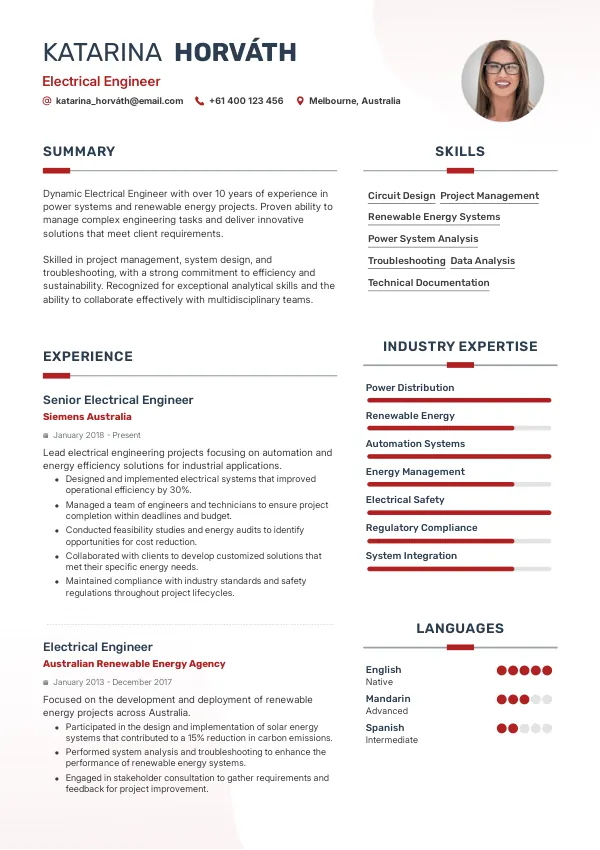
Introduction to Electrical Engineer Resumes
As an Electrical Engineer in Australia, your resume is your first impression to potential employers. Unfortunately, many candidates overlook critical mistakes that can significantly reduce their chances of securing an interview. These errors often stem from a lack of understanding of what recruiters and ATS systems look for. To ensure your resume stands out, consider reviewing it for these common pitfalls with mistakes.cv.
How Recruiters Evaluate Electrical Engineer Resumes
Recruiters and ATS systems assess resumes based on specific criteria such as formatting, keyword relevance, and clear presentation of skills and experiences. Many candidates are rejected for issues they often overlook, such as unclear job titles or non-standard formatting. Utilizing an external review service can help identify these hidden mistakes and improve your chances.
Understanding how your resume will be evaluated is crucial, as it allows you to tailor it to meet the expectations of hiring managers in the Australian engineering sector.
Identify and fix your resume mistakes to improve your job chances.
Get HelpCommon Resume Mistakes for Electrical Engineers
Mistake #1 – Poor Formatting
Why this hurts
Inconsistent formatting can confuse ATS systems and recruiters. A cluttered layout makes it hard to read, leading to quick rejections.
Example
- Bad: Dates not aligned or varied fonts.
- Better: Consistent font size and alignment throughout.
How to fix
- Use a clear, legible font and uniform formatting for headings and text.
Mistake #2 – Lack of Relevant Keywords
Why this hurts
Failing to include industry-specific keywords can lead to your resume being overlooked by ATS, which filter resumes based on keyword matches.
Example
- Bad: "Worked on power systems."
- Better: "Designed and implemented power distribution systems."
How to fix
- Incorporate relevant keywords from the job description throughout your resume.
Mistake #3 – Vague Job Titles
Why this hurts
Using generic job titles can mislead recruiters regarding your actual experience and responsibilities.
Example
- Bad: "Engineer."
- Better: "Electrical Design Engineer."
How to fix
- Use precise job titles that reflect your roles accurately.
Mistake #4 – Overly Long Resumes
Why this hurts
Recruiters often spend mere seconds reviewing resumes. Lengthy resumes can lead to important information being overlooked.
Example
- Bad: A 3-page resume with irrelevant details.
- Better: A concise 1-2 page resume focused on relevant experiences.
How to fix
- Limit your resume to 1-2 pages and focus on the most relevant experiences.
Mistake #5 – Neglecting Soft Skills
Why this hurts
Soft skills are crucial for engineering roles that require teamwork and communication. Neglecting these can make you seem less qualified.
Example
- Bad: "Worked well with team."
- Better: "Collaborated effectively with cross-functional teams to deliver projects on time."
How to fix
- Highlight soft skills alongside technical abilities to present a well-rounded profile.
Mistake #6 – Inconsistent Experience Dates
Why this hurts
Inconsistent employment dates can raise red flags for recruiters, suggesting a lack of attention to detail.
Example
- Bad: "2018-2020" followed by "2019-2021."
- Better: Consistent formatting of all dates.
How to fix
- Ensure all employment dates are clearly formatted and consistent.
Mistake #7 – Omitting Certifications
Why this hurts
Certifications relevant to electrical engineering can set you apart from other candidates. Omitting them can make you less competitive.
Example
- Bad: No mention of certifications.
- Better: "Certified Professional Engineer (CPEng) – Engineers Australia."
How to fix
- List all relevant certifications prominently on your resume.
Mistake #8 – Failing to Tailor Your Resume
Why this hurts
Sending a generic resume can indicate a lack of interest or effort, resulting in rejection.
Example
- Bad: Using the same resume for every application.
- Better: Customizing your resume for each job application.
How to fix
- Tailor your resume to reflect the specific requirements of each job posting.
ATS-Specific Issues to Avoid
ATS systems can misinterpret resumes due to various issues, such as incorrect file formats or complex layouts. Many candidates are unaware of how these systems parse information, leading to missed opportunities. Ensuring your resume is ATS-friendly is essential, and identifying these errors can be challenging without external support. Consider using mistakes.cv to diagnose and resolve ATS-related issues.
Mistakes by Experience Level
Entry-Level
Entry-level candidates often overlook the importance of internships or relevant coursework. They may also neglect to highlight transferable skills from other experiences.
Mid-Level
Mid-level engineers need to focus on showcasing leadership and project management skills. Failing to do this may signal a lack of readiness for more senior roles.
Senior / Lead
Senior engineers should emphasize strategic contributions and mentorship roles. Omitting these aspects can diminish perceived value to potential employers.
Enhance your resume's ATS compatibility for better results.
Check ATSQuick Checklist for Electrical Engineer Resumes
- Ensure consistent formatting throughout your resume.
- Include relevant keywords from job descriptions.
- Use precise job titles that reflect your experience.
- Limit your resume to 1-2 pages.
- Highlight both technical and soft skills.
- Check for consistent formatting of employment dates.
- List all relevant certifications clearly.
- Tailor your resume for each job application.
- Review your resume for ATS compatibility.
- Consider a professional review for hidden mistakes.
FAQs about Electrical Engineer Resumes in Australia
What should I include in my Electrical Engineer resume?
Focus on relevant work experience, technical skills, certifications, and education. Tailor your resume to the job description.
How long should my resume be?
Your resume should ideally be 1-2 pages long, focusing on relevant experiences and skills.
How can I make my resume ATS-friendly?
Use standard formatting, include keywords from the job description, and save your file as a .docx or PDF.
Should I include personal projects?
Yes, if they are relevant and showcase your skills and experience effectively.
How can I identify mistakes in my resume?
Consider using a professional service like mistakes.cv for a thorough review and feedback.
Take Action to Improve Your Resume
Visit mistakes.cv for a comprehensive review or to check for ATS compatibility. Taking these steps can significantly enhance your job application success.

 UAE
UAE Qatar
Qatar Saudi Arabia
 South Africa
 Brazil
 USA
USA Canada
 Australia
 United Kingdom
 New Zealand
 Singapore
 Germany
 France
 Spain
Spain Greece
 Italy
Italy India
India Philippines
 Malaysia
 Indonesia
 South Korea
 Japan
Japan