Introduction
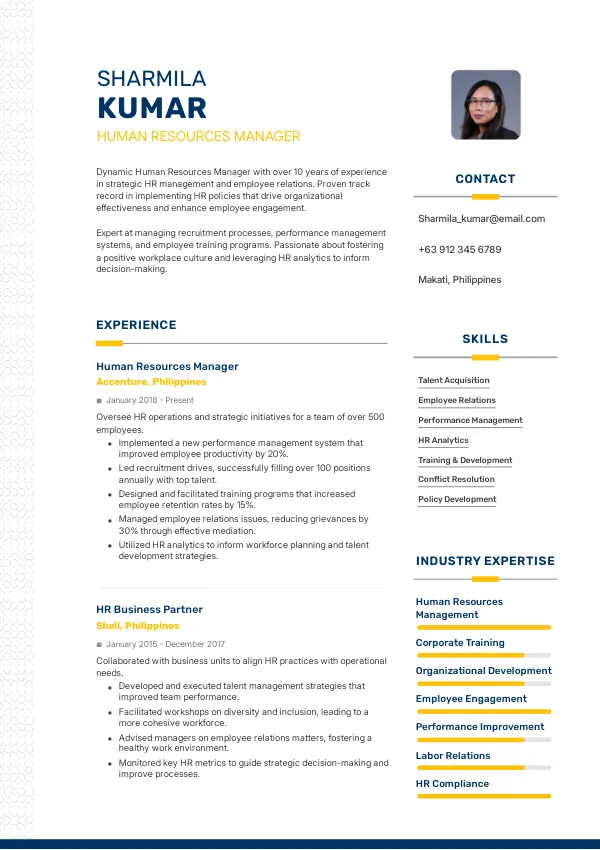
In the competitive field of Human Resources in the Philippines, your resume is often the first impression you make on potential employers. Mistakes in this critical document can lead to immediate rejections. It's vital to understand how recruiters assess resumes, as even minor errors can significantly reduce your chances of landing an interview. To avoid these pitfalls, consider reviewing your resume or CV with the insights from mistakes.cv, ensuring you present the best version of yourself.
How Recruiters Evaluate Resumes
Recruiters and ATS systems look for clarity, relevance, and professionalism in resumes for HR positions. They often filter resumes based on specific keywords and formatting standards. Many candidates fail to notice critical issues that can lead to rejection, which is why an external review can be beneficial. A service like mistakes.cv can help highlight these unnoticed mistakes, giving you a clearer path to success.
Understanding these evaluation criteria can empower you to tailor your resume effectively, making it stand out in a crowded job market.
Ensure your resume stands out and avoids common mistakes.
Review NowCommon Resume Mistakes for HR Professionals
Mistake #1 – Poor Formatting
Why this hurts
Inconsistent formatting can make your resume hard to read and unprofessional. Recruiters may dismiss it as a lack of attention to detail.
Example
- Bad: Multiple fonts and sizes throughout the document.
- Better: A single font style and size used consistently.
How to fix
- Stick to one font type, size, and color scheme throughout your resume.
- Use clear headings and bullet points for easy navigation.
Mistake #2 – Lack of Keywords
Why this hurts
ATS systems screen resumes for specific keywords related to the job description. Missing these keywords can lead to automatic rejections.
Example
- Bad: "Managed team." (too vague)
- Better: "Managed a team of 10 HR professionals to improve recruitment efficiency by 30%."
How to fix
- Incorporate relevant keywords from the job description into your resume.
- Focus on measurable achievements to demonstrate your impact.
Mistake #3 – Inconsistent Job Titles
Why this hurts
Using different titles for similar roles can confuse recruiters about your experience level and expertise.
Example
- Bad: "HR Coordinator" and "HR Assistant" for the same role.
- Better: Consistently use the official title from the company.
How to fix
- Use the official job title as stated in your employment records.
- Clearly differentiate between roles in different companies.
Mistake #4 – Missing Contact Information
Why this hurts
Not providing a phone number or email can prevent recruiters from reaching you, eliminating your chances of an interview.
Example
- Bad: No contact information listed.
- Better: Clear listing of phone number and professional email.
How to fix
- Ensure your contact information is easy to find at the top of your resume.
Mistake #5 – Overly Long Resumes
Why this hurts
Recruiters often spend seconds on each resume. Lengthy resumes can result in essential information being overlooked.
Example
- Bad: A two-page resume with unnecessary details.
- Better: A concise one-page resume focusing on relevant experience.
How to fix
- Keep your resume to one page, especially if you have less than ten years of experience.
- Focus on relevant experience and skills.
Mistake #6 – Cliché Phrases
Why this hurts
Overused phrases like "hardworking" or "team player" do not differentiate you from other candidates.
Example
- Bad: "I am a hardworking team player."
- Better: "Collaborated with cross-functional teams to enhance training programs."
How to fix
- Use specific examples and quantifiable results to showcase your skills.
Mistake #7 – Ignoring Job Description Requirements
Why this hurts
Not aligning your skills with the job requirements can demonstrate a lack of attention and interest in the role.
Example
- Bad: Resume not tailored to the job description.
- Better: Resume highlights relevant skills and experiences tailored to the position.
How to fix
- Customize your resume for each application, matching your skills with the job description.
Mistake #8 – Neglecting Professional Development
Why this hurts
Not including certifications or training can make you appear uncommitted to your professional growth.
Example
- Bad: No mention of certifications.
- Better: "Certified Professional in Human Resources (PHR) since 2020."
How to fix
- List any relevant certifications and ongoing professional development courses.
ATS-Specific Issues
Many resumes fail due to ATS compatibility issues. Common problems include incorrect file formats, poor keyword usage, and complex layouts that ATS cannot parse. These mistakes are often hard to identify without external help. A professional review from mistakes.cv can provide insights into how your resume is interpreted by ATS, ensuring it meets the necessary standards for screening.
Mistakes by Experience Level
Entry-Level
Entry-level candidates often struggle with showcasing relevant experience. Mistakes include listing unrelated jobs or failing to highlight internships and volunteer work. Focus on transferable skills and relevant coursework to strengthen your application.
Mid-Level
Mid-level professionals may overlook the importance of quantifying achievements. Highlighting specific metrics and results can significantly enhance your resume's impact. Ensure you frame your experience to reflect leadership and strategic contributions.
Senior/Lead
Senior candidates should avoid overly technical language and focus on strategic leadership roles. Mistakes include vague descriptions of responsibilities instead of impactful results. Clearly articulate your leadership style and measurable successes in previous roles.
Get tailored feedback to enhance your resume.
Get FeedbackQuick Checklist for Your Resume
- Ensure consistent formatting throughout your resume.
- Incorporate relevant keywords from the job description.
- Use clear job titles as per official records.
- Include up-to-date contact information.
- Keep your resume to one page if you have less than ten years of experience.
- Avoid clichés and use specific examples.
- Tailor your resume for each job application.
- List relevant certifications and professional development.
- Use a simple layout that is ATS-friendly.
- Proofread for spelling and grammar errors.
Frequently Asked Questions
What should I include in my HR resume?
Focus on relevant experience, skills, and certifications. Tailor your resume for each application to match job requirements.
How long should my HR resume be?
A one-page resume is ideal for entry to mid-level positions. Senior roles may require two pages to adequately showcase experience.
What if I have gaps in my employment?
Be honest about gaps and focus on skills gained during that time, such as volunteering or further education.
How can I make my resume ATS-friendly?
Use standard file formats like .docx or PDF, include relevant keywords, and keep formatting simple for better parsing.
Should I use a photo in my HR resume?
Photos are not typically recommended in the Philippines due to potential bias. Focus on your skills and experience instead.
Take Action Today
Your resume is your ticket to landing interviews in the HR field. Don't let common mistakes hold you back. Review your resume with the insights provided and consider using mistakes.cv for a professional evaluation.
Take the first step towards a successful job application by improving your resume and increasing your chances of securing that coveted interview.

 UAE
UAE Qatar
Qatar Saudi Arabia
 South Africa
 Brazil
 USA
USA Canada
 Australia
 United Kingdom
 New Zealand
 Singapore
 Germany
 France
 Spain
Spain Greece
 Italy
Italy India
India Philippines
 Malaysia
 Indonesia
 South Korea
 Japan
Japan