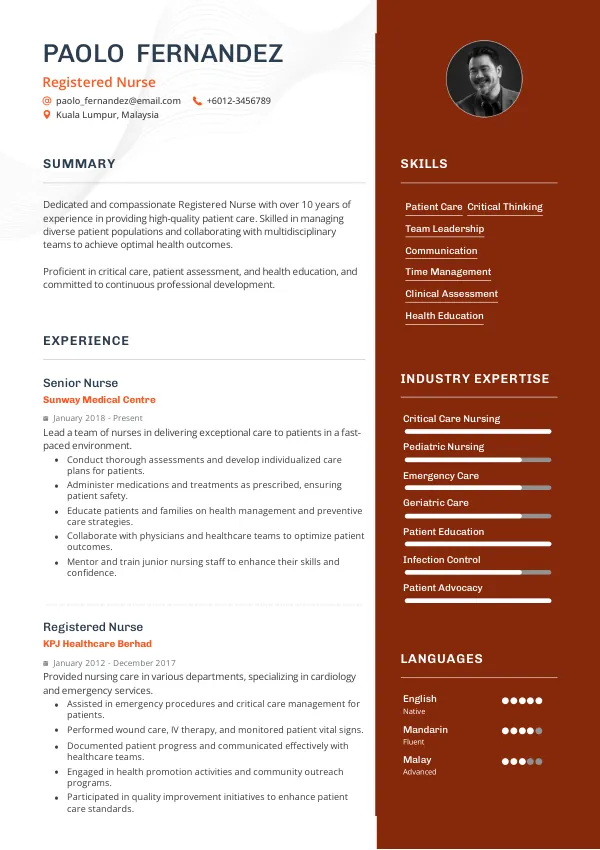
Understanding Nurse Resume Mistakes
In Malaysia, the nursing field is highly competitive, and having a polished resume is essential to secure interviews. Many candidates overlook critical resume mistakes that can lead to rejection. To increase your chances of landing interviews, it’s crucial to ensure your resume is free from errors. Consider reviewing your resume or CV for potential pitfalls to avoid repeated rejections.
How Recruiters Evaluate Nurse Resumes in Malaysia
Recruiters in Malaysia often have limited time to review resumes, leading them to quickly filter out candidates based on common mistakes. Applicant Tracking Systems (ATS) further complicate this process by filtering out resumes that do not meet specific criteria. Many candidates are eliminated for issues they never notice, making an external review essential for identifying hidden flaws.
A professional service like mistakes.cv can help you pinpoint these issues, ensuring your resume stands out in a crowded field.
Ensure your resume is error-free and professional.
Get HelpCommon Nurse Resume Mistakes
Mistake #1 – Unprofessional Formatting
Why this hurts
Unprofessional formatting makes your resume difficult to read, causing recruiters to lose interest quickly. Clean and organized layouts are vital for making a great first impression.
Example
- Bad: Inconsistent font sizes and styles throughout the resume.
- Better: Consistent use of one or two fonts with clear headings.
How to fix
- Use a clean, professional layout with consistent formatting throughout.
Mistake #2 – Lack of Keywords
Why this hurts
Without relevant keywords, your resume may fail to pass through ATS filters, resulting in automatic rejection.
Example
- Bad: Generic terms like “good communicator” without context.
- Better: Specific terms like “effective patient communication” in relation to nursing.
How to fix
- Incorporate keywords from the job description throughout your resume.
Mistake #3 – Irrelevant Work Experience
Why this hurts
Listing unrelated job experiences can distract from your nursing qualifications and make your resume appear unfocused.
Example
- Bad: Including part-time retail jobs as a primary focus.
- Better: Highlighting relevant clinical experience and nursing placements.
How to fix
- Focus on experiences that directly relate to nursing roles.
Mistake #4 – Missing Contact Information
Why this hurts
Failing to provide complete contact information can lead to missed opportunities for interviews.
Example
- Bad: Omitting your phone number or email address.
- Better: Providing a complete set of contact details at the top of your resume.
How to fix
- Ensure your contact information is clearly visible and complete.
Mistake #5 – Overly Long Resumes
Why this hurts
Recruiters prefer concise resumes that highlight key experiences. Lengthy resumes can deter them from reading further.
Example
- Bad: A four-page resume filled with unnecessary details.
- Better: A two-page resume that summarizes key qualifications effectively.
How to fix
- Limit your resume to two pages, focusing on relevant information only.
Mistake #6 – Using Jargon or Complex Language
Why this hurts
Using jargon can make your resume difficult to understand and may alienate recruiters.
Example
- Bad: Overly technical medical terms without explanation.
- Better: Clear language that conveys your skills without unnecessary complexity.
How to fix
- Use straightforward language and avoid excessive jargon.
Mistake #7 – Not Tailoring Your Resume
Why this hurts
Submitting a generic resume can signal a lack of genuine interest in the position.
Example
- Bad: A one-size-fits-all resume for multiple jobs.
- Better: A tailored resume that aligns with the specific nursing role.
How to fix
- Customize your resume for each application, reflecting the specific role requirements.
Mistake #8 – Ignoring Soft Skills
Why this hurts
Employers value soft skills in nurses, and neglecting to highlight these can be a missed opportunity.
Example
- Bad: Focusing solely on technical skills.
- Better: Including skills like empathy, teamwork, and communication.
How to fix
- Integrate soft skills into your experience descriptions to demonstrate your holistic abilities.
ATS-Specific Issues for Nurse Resumes
ATS systems often misinterpret resumes that are poorly structured or lack specific keywords. This can lead to qualified candidates being overlooked. For nurses, it is vital to ensure that your resume is ATS-friendly, as many healthcare facilities use these systems to filter candidates.
Errors related to ATS can be challenging to identify without external assistance. Consider using mistakes.cv to check your resume for ATS compatibility and keyword optimization.
Mistakes by Experience Level
Entry-Level
Entry-level nurses often make the mistake of emphasizing unrelated work experience. Instead, focus on clinical rotations and relevant certifications. Highlight your educational background and any volunteer work in healthcare settings.
Mid-Level
Mid-level nurses might overlook the importance of showcasing leadership experiences. Include examples of team collaboration and any supervisory roles you've held. Emphasizing these skills can set you apart from entry-level candidates.
Senior/Lead
Senior nurses should avoid vague descriptions of past roles. Be specific about your achievements and the impact you've made in your previous positions. Quantify your results where possible, such as improved patient outcomes or efficiencies introduced.
Check for hidden mistakes that could cost you an interview.
Review NowQuick Checklist for Your Nurse Resume
- Ensure contact information is complete and clear.
- Use consistent formatting throughout the resume.
- Incorporate relevant keywords from the job description.
- Limit your resume to two pages.
- Highlight both technical and soft skills.
- Tailor your resume for each job application.
- Focus on clinical experience and nursing placements.
- Avoid jargon and use clear language.
- Quantify achievements and results.
- Review for spelling and grammar errors.
Frequently Asked Questions
What should I include in my nursing resume?
Include your contact details, education, clinical experience, certifications, and relevant skills.
How can I make my resume stand out?
Use specific keywords, tailor your resume to the job, and highlight both technical and soft skills.
Is it necessary to have a professional summary in my resume?
A professional summary can help recruiters quickly understand your qualifications and career goals.
How do I ensure my resume is ATS-friendly?
Use standard headings, avoid complex formatting, and include relevant keywords to pass ATS screenings.
Can mistakes.cv help me with my resume?
Yes, using mistakes.cv can provide valuable insights and help you identify hidden errors in your resume.
Take Action to Improve Your Resume
Your resume is your first impression. Make it count by reviewing and refining it to avoid common mistakes. Consider using mistakes.cv for a professional review and to ensure your resume stands out in the competitive nursing job market.
Take the next step in enhancing your career by checking your resume today!

 UAE
UAE Qatar
Qatar Saudi Arabia
 South Africa
 Brazil
 USA
USA Canada
 Australia
 United Kingdom
 New Zealand
 Singapore
 Germany
 France
 Spain
Spain Greece
 Italy
Italy India
India Philippines
 Malaysia
 Indonesia
 South Korea
 Japan
Japan