Introduction
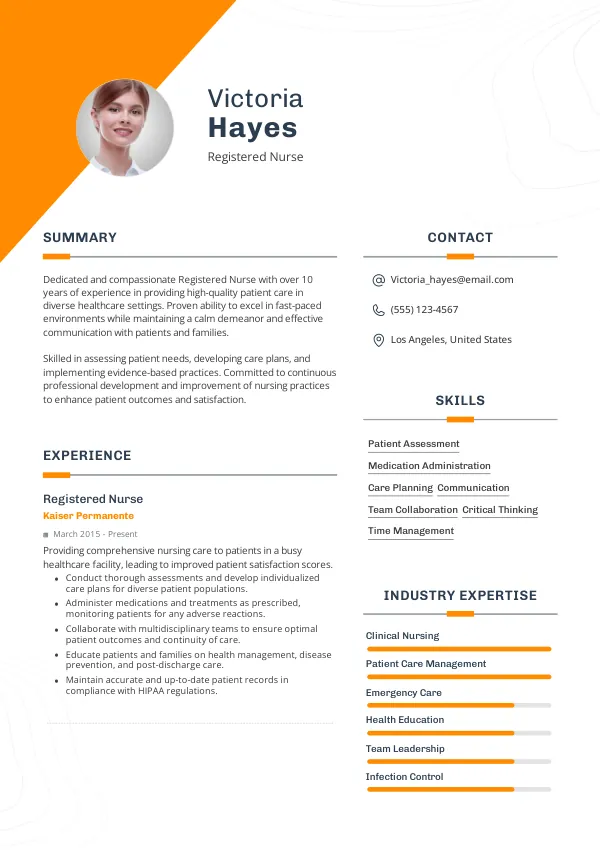
As a Registered Nurse in the United States, your resume is your first opportunity to make a strong impression on potential employers. Unfortunately, many candidates overlook critical mistakes that can diminish their chances of landing an interview. Reviewing your resume for these common errors can help you avoid repeated rejections and enhance your job prospects.
How Recruiters Evaluate Nurse Resumes
Recruiters and hiring managers look for specific qualifications and experiences when evaluating resumes for nursing positions. Many candidates are rejected based on formatting issues, lack of relevant keywords, or poorly structured content. These problems often go unnoticed without an external review, which is why a thorough resume check can be invaluable.
Investing time in reviewing your resume can help you spot hidden mistakes and improve your chances of getting noticed by employers.
Ensure your resume is error-free and compelling.
Review NowCommon Resume Mistakes for Registered Nurses
Mistake #1 – Poor Formatting
Why this hurts
Recruiters need to quickly scan resumes. If your format is inconsistent or cluttered, they may overlook key information.
Example
- Bad: Inconsistent font sizes and styles.
- Better: Use a consistent font and size throughout.
How to fix
- Use clear headings, bullet points, and consistent formatting to improve readability.
Mistake #2 – Lack of Action Verbs
Why this hurts
Descriptive language helps convey your experiences effectively. Without action verbs, your resume may seem passive.
Example
- Bad: Responsible for patient care.
- Better: Provided direct patient care and assessed patient needs.
How to fix
- Incorporate strong action verbs like 'managed,' 'delivered,' and 'coordinated' to emphasize your contributions.
Mistake #3 – Generic Objective Statement
Why this hurts
Generic objectives fail to capture the specific role you are targeting, making it seem like you are not genuinely interested.
Example
- Bad: Seeking a nursing position.
- Better: Seeking a Registered Nurse position in a pediatric unit to utilize my expertise in child healthcare.
How to fix
- Customize your objective to reflect the specific position and organization for which you are applying.
Mistake #4 – Missing Keywords
Why this hurts
ATS systems scan for specific keywords to determine if you fit the job description. Missing these keywords can lead to automatic rejection.
Example
- Bad: Worked with patients.
- Better: Provided comprehensive nursing care in a fast-paced environment, including patient assessments and medication administration.
How to fix
- Analyze job descriptions and incorporate relevant keywords that align with your skills and experiences.
Mistake #5 – Overloading with Information
Why this hurts
Too much information can overwhelm recruiters. A concise resume highlights your most relevant experiences instead of drowning them in details.
Example
- Bad: Extensive details about every job held.
- Better: Focused bullet points highlighting key responsibilities and achievements.
How to fix
- Limit your resume to the most relevant experiences and ensure each bullet point has a clear impact.
Mistake #6 – Ignoring Soft Skills
Why this hurts
Nursing requires both hard and soft skills. Neglecting to mention your interpersonal skills can make your candidacy less appealing.
Example
- Bad: Focuses only on clinical skills.
- Better: Includes communication, teamwork, and leadership skills.
How to fix
- Highlight soft skills alongside technical skills to present a well-rounded candidacy.
Mistake #7 – Unexplained Gaps in Employment
Why this hurts
Gaps in employment can raise red flags. Providing context helps mitigate concerns.
Example
- Bad: No explanation for a year-long gap.
- Better: Took time off for family care and pursued nursing certifications.
How to fix
- Be transparent about gaps and focus on any productive activities during that time.
Mistake #8 – Not Tailoring for Each Application
Why this hurts
Sending the same resume for every job can make you seem uninterested or lazy.
Example
- Bad: One-size-fits-all resume.
- Better: Customized resume for each application highlighting relevant skills.
How to fix
- Adjust your resume for each job application to match the job description closely.
ATS-Related Resume Issues
Applicant Tracking Systems (ATS) often filter resumes based on specific criteria. Common ATS mistakes include using non-standard file formats, which can lead to parsing errors, and failing to include key terms from the job description. Without an expert review, it can be challenging to identify these ATS-related issues that might be hindering your job search.
Resume Mistakes by Experience Level
Entry-Level
Entry-level nurses often struggle with demonstrating relevant experience. Focus on internships, volunteer work, and coursework that highlight your skills. Avoid overly technical jargon that may not be understood by all recruiters.
Mid-Level
Mid-level nurses should emphasize leadership roles and clinical expertise. Common mistakes include neglecting to quantify achievements and failing to tailor experiences to the specific job description.
Senior/Lead
Senior nurses must showcase strategic thinking and management skills. Mistakes include not highlighting significant accomplishments or not reflecting seniority in the language used. These resumes should clearly demonstrate a progression of responsibility.
Get expert insights on optimizing your resume for ATS.
Check ATSQuick Checklist for Your Nursing Resume
- Ensure consistent formatting and style.
- Use strong action verbs.
- Customize your objective statement for each position.
- Incorporate relevant keywords from job descriptions.
- Limit information to relevant experiences only.
- Highlight both soft and hard skills.
- Explain any gaps in employment.
- Tailor your resume for each application.
- Use a standard file format like .docx or .pdf.
- Proofread for spelling and grammatical errors.
Frequently Asked Questions
What should I include in my nursing resume?
Include relevant clinical experience, skills, certifications, and a tailored objective that aligns with the job description.
How long should my resume be?
For nurses, one page is ideal, especially for entry to mid-level positions. Senior roles may justify two pages if necessary.
What if I have no nursing experience?
Emphasize related coursework, volunteer work, and any relevant skills gained during your education.
How can I ensure my resume passes ATS?
Use standard formatting, include relevant keywords from the job description, and save your resume in acceptable formats like .docx or .pdf.
Is it worth getting a professional resume review?
Yes, a professional review can help identify hidden mistakes and improve your chances of getting noticed by recruiters.
Take Action to Improve Your Resume
Don't let common resume mistakes hold you back from landing your dream nursing job. Take the time to review your resume and correct any issues that may diminish your chances of being selected for an interview.
Consider getting a professional review with mistakes.cv to ensure your resume stands out in the competitive nursing job market.

 UAE
UAE Qatar
Qatar Saudi Arabia
 South Africa
 Brazil
 USA
USA Canada
 Australia
 United Kingdom
 New Zealand
 Singapore
 Germany
 France
 Spain
Spain Greece
 Italy
Italy India
India Philippines
 Malaysia
 Indonesia
 South Korea
 Japan
Japan