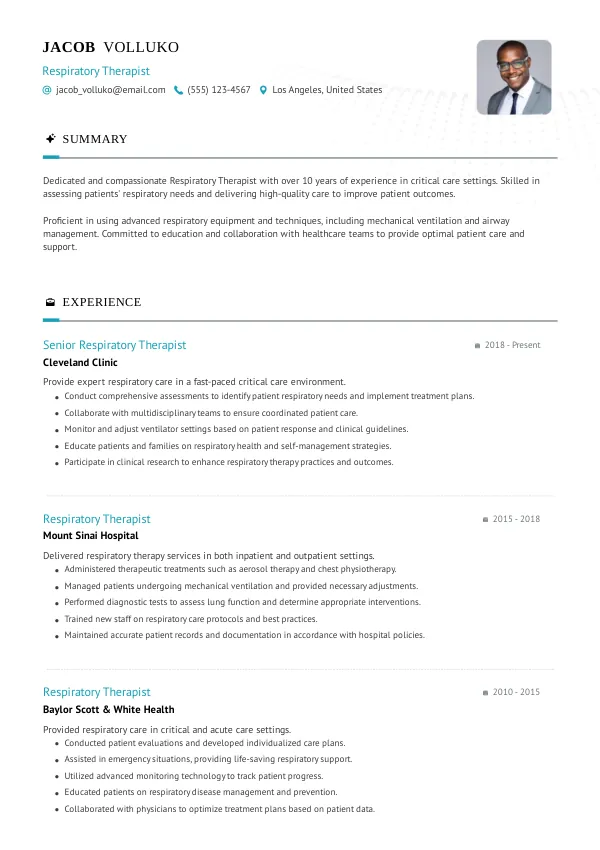
Introduction
As a Respiratory Therapist in the United States, your resume is your first chance to impress potential employers. However, many candidates overlook key elements that can significantly hinder their chances of landing an interview. Common resume mistakes can lead to rejection, even when you have the right qualifications. It's crucial to review your resume carefully to avoid these pitfalls and enhance your chances of success.
How Recruiters Evaluate Resumes
Recruiters and hiring managers assess resumes for relevance, clarity, and professionalism. They often use Applicant Tracking Systems (ATS) to filter resumes based on specific criteria. Many candidates are rejected due to issues they may not even notice. Having an external review, like one from mistakes.cv, can help identify and rectify these hidden mistakes.
Understanding how your resume is evaluated can empower you to present your qualifications effectively.
Ensure your resume is ATS-friendly and mistake-free.
Check NowCommon Resume Mistakes for Respiratory Therapists
Mistake #1 – Poor Formatting
Why this hurts
Recruiters often reject resumes that are difficult to read due to poor formatting. A cluttered or inconsistent layout can distract from your qualifications.
Example
- Bad: Disorganized sections, inconsistent fonts.
- Better: Clean, consistent formatting with clearly defined sections.
How to fix
- Use a simple, professional template with consistent fonts and sizes.
- Ensure adequate white space to enhance readability.
Mistake #2 – Generic Objectives
Why this hurts
Generic career objectives do not capture a recruiter's attention. They fail to convey your unique value as a Respiratory Therapist.
Example
- Bad: “Seeking a position in healthcare.”
- Better: “Dedicated Respiratory Therapist with 5+ years of experience seeking to enhance patient care at XYZ Hospital.”
How to fix
- Craft a specific objective that highlights your skills and intentions.
- Tailor it to the job description for every application.
Mistake #3 – Lack of Relevant Keywords
Why this hurts
ATS systems filter resumes based on keywords. Omitting relevant terms can lead to automatic rejection.
Example
- Bad: Vague job descriptions lacking specific terminology.
- Better: Including terms like "ventilator management," "pulmonary rehabilitation," and "patient assessment."
How to fix
- Analyze the job description and integrate key terms and phrases into your resume.
Mistake #4 – Inconsistent Employment Dates
Why this hurts
Inconsistent dates can raise red flags for recruiters, signaling a lack of attention to detail.
Example
- Bad: “Worked from Jan 2018 to 2019.”
- Better: “Worked from January 2018 to December 2019.”
How to fix
- Ensure all employment dates are clearly stated and consistent in format.
Mistake #5 – Overly Lengthy Resumes
Why this hurts
Resumes that exceed two pages can overwhelm recruiters, making it hard to find key information.
Example
- Bad: A three-page resume detailing every task.
- Better: A concise two-page resume focused on relevant experience and achievements.
How to fix
- Limit your resume to two pages, focusing on the most relevant experiences.
- Use bullet points to convey information succinctly.
Mistake #6 – Ignoring Soft Skills
Why this hurts
Soft skills are essential in healthcare. Ignoring them can give an incomplete view of your capabilities.
Example
- Bad: Focusing solely on technical skills.
- Better: Highlighting both technical and interpersonal skills.
How to fix
- Include a skills section that showcases both hard and soft skills relevant to the role.
Mistake #7 – Lack of Accomplishments
Why this hurts
Listing duties without accomplishments fails to demonstrate your impact.
Example
- Bad: “Responsible for patient assessments.”
- Better: “Conducted patient assessments that improved treatment plans, leading to a 20% increase in patient satisfaction.”
How to fix
- Quantify achievements and relate them to patient care outcomes.
Mistake #8 – Spelling and Grammar Errors
Why this hurts
Errors can damage your credibility and suggest a lack of professionalism.
Example
- Bad: “Respiratory theripist with expeirence in...”
- Better: “Respiratory Therapist with experience in...”
How to fix
- Proofread multiple times and consider using grammar checking tools.
- Have someone else review your resume.


ATS-Specific Issues
Many resumes are rejected due to ATS parsing errors. Common issues include using non-standard fonts, images, or complex formats. These systems may struggle to interpret your information, leading to misrepresentation of your qualifications. Identifying ATS-related errors can be challenging without automated tools or expert help, so consider having your resume evaluated through mistakes.cv for optimal results.
Mistakes by Experience Level
Entry-Level
Entry-level candidates often struggle with showcasing relevant experience. Focus on internships, volunteering, or coursework relevant to respiratory therapy. Ensure to highlight transferable skills from other roles.
Mid-Level
Mid-level professionals should emphasize accomplishments and leadership experiences. Tailor your resume to show how you've contributed to patient care improvements or team leadership.
Senior/Lead
For senior roles, highlight strategic thinking and mentoring abilities. Your resume should reflect a deep understanding of respiratory therapy trends and management experience.
Get a second opinion on your resume from experts.
Review TodayQuick Checklist for Your Resume
- Use a clean and professional format.
- Tailor your objective for each application.
- Incorporate relevant keywords from the job description.
- Ensure consistent employment dates.
- Limit your resume to two pages.
- Include both hard and soft skills.
- Highlight accomplishments with quantifiable results.
- Check for spelling and grammar errors.
- Make sure your resume is ATS-friendly.
- Consider a professional review for hidden mistakes.
Frequently Asked Questions
What should I include in a Respiratory Therapist resume?
Include relevant education, certifications, work experience, and skills specific to the field.
How long should my resume be?
Keep it to one or two pages, focusing on the most relevant information.
What are common keywords for Respiratory Therapist resumes?
Common keywords include 'ventilator management,' 'patient assessment,' and 'pulmonary rehabilitation.'
How can I improve my chances of getting an interview?
Tailor your resume for each job application and ensure it is error-free and ATS-compatible.
Should I get my resume reviewed?
Yes, a professional review can help catch mistakes you might have missed and improve your resume's effectiveness.
Take Action Today
Your resume is a critical tool in your job search as a Respiratory Therapist. Don't let simple mistakes hold you back from achieving your career goals. Review your resume carefully, consider the insights shared here, and make the necessary adjustments.
For a more thorough examination, consider utilizing mistakes.cv to pinpoint hidden errors and enhance your resume's impact. Take the next step in your career journey today!

 UAE
UAE Qatar
Qatar Saudi Arabia
 South Africa
 Brazil
 USA
USA Canada
 Australia
 United Kingdom
 New Zealand
 Singapore
 Germany
 France
 Spain
Spain Greece
 Italy
Italy India
India Philippines
 Malaysia
 Indonesia
 South Korea
 Japan
Japan