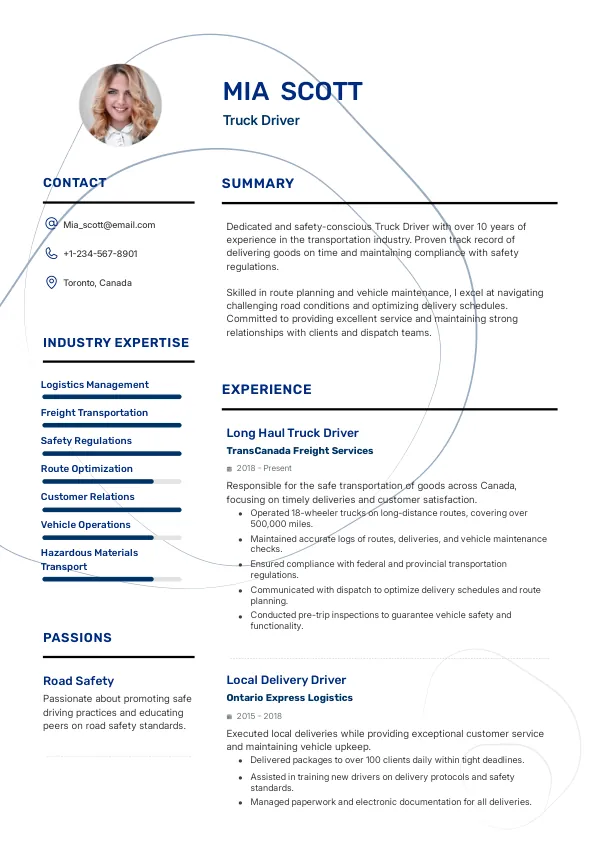
Introduction to Truck Driver Resume Mistakes
As a truck driver in Canada, your resume is your first point of contact with potential employers. However, many applicants make critical mistakes that significantly reduce their chances of being called for an interview. Understanding these errors is essential to ensure your resume stands out rather than blends in. To avoid repeated rejections, consider reviewing your resume or CV for hidden mistakes.
How Recruiters Evaluate Truck Driver Resumes
Recruiters in Canada look for specific qualifications and experiences when evaluating truck driver resumes. They often use Applicant Tracking Systems (ATS) to filter candidates based on keywords and relevant experience. Unfortunately, many candidates are rejected for issues they never notice, such as formatting errors or lack of keyword relevance. A professional review, like those offered by mistakes.cv, can help you identify these issues early on.
Identify errors and improve your resume for better job chances.
Get StartedCommon Resume Mistakes for Truck Drivers
Mistake #1 – Poor Formatting
Why this hurts
A cluttered or inconsistent format can confuse recruiters and make your resume difficult to read. Recruiters may overlook important information if it is not clearly presented.
Example
- Bad: Random fonts and sizes throughout the document.
- Better: Consistent use of one or two fonts with clear headings.
How to fix
- Use a clean, professional template with clear sections and consistent formatting.
Mistake #2 – Generic Objective Statements
Why this hurts
Generic objectives do not convey your specific intentions or how you can benefit the employer. This makes your application less compelling.
Example
- Bad: “Seeking a position as a truck driver.”
- Better: “Dedicated truck driver with over 5 years of experience seeking to leverage expertise in long-haul routes for XYZ Company.”
How to fix
- Craft a tailored objective that highlights your experience and the value you bring to the role.
Mistake #3 – Lack of Relevant Experience
Why this hurts
Not highlighting relevant driving experience can result in missed opportunities. Recruiters want to see your qualifications clearly laid out.
Example
- Bad: Listing unrelated jobs without context.
- Better: Clearly outlining driving roles and responsibilities.
How to fix
- Focus on detailing your driving experience, including types of vehicles operated and any special licenses.
Mistake #4 – Missing Key Certifications
Why this hurts
Not including relevant certifications can be a deal-breaker, as some companies require specific licenses or endorsements.
Example
- Bad: Omitting your Class 1 license.
- Better: Clearly listing your Class 1 license and any other relevant certifications.
How to fix
- Always include your certifications and licenses in a dedicated section.
Mistake #5 – Inconsistent Employment Dates
Why this hurts
Inconsistencies in your employment history can raise red flags about your reliability or transparency.
Example
- Bad: “2018-2019” for one job, “Jan 2020 - Dec 2021” for another.
- Better: “Jan 2018 - Dec 2019” for both jobs.
How to fix
- Ensure dates of employment are clearly aligned and consistently formatted.
Mistake #6 – Overly Technical Language
Why this hurts
Using too much jargon can alienate recruiters who may not be familiar with specific terms, making it difficult for them to assess your qualifications.
Example
- Bad: “Utilized advanced telematics systems.”
- Better: “Used GPS and route planning technology to optimize delivery times.”
How to fix
- Use clear, straightforward language when describing your skills and experiences.
Mistake #7 – Not Tailoring Your Resume
Why this hurts
Submitting a generic resume shows a lack of effort and may indicate that you are not genuinely interested in the position.
Example
- Bad: Using the same resume for every application.
- Better: Customizing your resume for each job by incorporating specific keywords from the job description.
How to fix
- Review the job description carefully and adjust your resume to reflect the requirements and responsibilities mentioned.
Mistake #8 – Ignoring Soft Skills
Why this hurts
Soft skills are crucial for truck drivers, as communication and teamwork can impact safety and efficiency on the road.
Example
- Bad: Focusing solely on driving skills.
- Better: Including teamwork, communication, and problem-solving skills.
How to fix
- Highlight soft skills in your experience or skills section to show you are a well-rounded candidate.


Common ATS-Specific Resume Issues
ATS systems are designed to scan resumes for specific keywords and formatting. If your resume doesn't match the job description or is poorly formatted, it may not get past the initial screening. Common issues include using images, unconventional fonts, or unusual file types that ATS cannot read. These problems are often difficult to self-diagnose, which is why it can be beneficial to have an automated or expert review from mistakes.cv to ensure your resume is ATS-friendly.
Resume Mistakes by Experience Level
Entry-Level
Entry-level truck drivers often make the mistake of under-emphasizing any relevant experience, such as driving courses or internships. They may also overlook the importance of showcasing transferable skills, like customer service and problem-solving.
Mid-Level
Mid-level drivers may fail to highlight leadership roles or experience in route planning and logistics. They should focus on quantifying their accomplishments, such as the number of deliveries made or safety records.
Senior/Lead
Senior drivers often neglect to showcase their mentorship or training experience. They should emphasize their ability to lead teams and improve operational efficiency, as this sets them apart from less experienced candidates.
Ensure your resume is ATS-friendly and stands out.
Check NowQuick Checklist for Truck Driver Resumes
- Ensure consistent formatting throughout the document.
- Craft a tailored objective statement.
- Highlight relevant driving experience clearly.
- List all necessary certifications and licenses.
- Align employment dates consistently.
- Avoid overly technical language.
- Customize your resume for each application.
- Include relevant soft skills.
- Use ATS-friendly formats like .docx or .pdf.
- Check for spelling and grammatical errors.
Frequently Asked Questions about Truck Driver Resumes
What should I include in my truck driver resume?
Include relevant driving experience, certifications, and a summary of your skills tailored to the job description.
How can I ensure my resume is ATS friendly?
Use standard formatting, include relevant keywords from the job description, and avoid images or unusual fonts.
Should I customize my resume for each job application?
Yes, tailoring your resume to match the specific job requirements can significantly improve your chances of being noticed by recruiters.
What are some common mistakes to avoid?
Avoid poor formatting, generic objective statements, and neglecting to include relevant experience and skills.
How can I get feedback on my resume?
Consider using a professional service like mistakes.cv to get a second opinion and identify hidden mistakes.
Take Action to Improve Your Resume Today
Your resume is your ticket to securing an interview as a truck driver in Canada. Don’t let common mistakes hold you back. Review your resume carefully and consider using mistakes.cv for a professional evaluation. Taking these steps can significantly improve your chances of getting noticed by recruiters.
Start your journey towards a better resume by checking it with mistakes.cv today!

 UAE
UAE Qatar
Qatar Saudi Arabia
 South Africa
 Brazil
 USA
USA Canada
 Australia
 United Kingdom
 New Zealand
 Singapore
 Germany
 France
 Spain
Spain Greece
 Italy
Italy India
India Philippines
 Malaysia
 Indonesia
 South Korea
 Japan
Japan